Top 10 Benefits of Plastic Wall Panels for Modern Interiors?
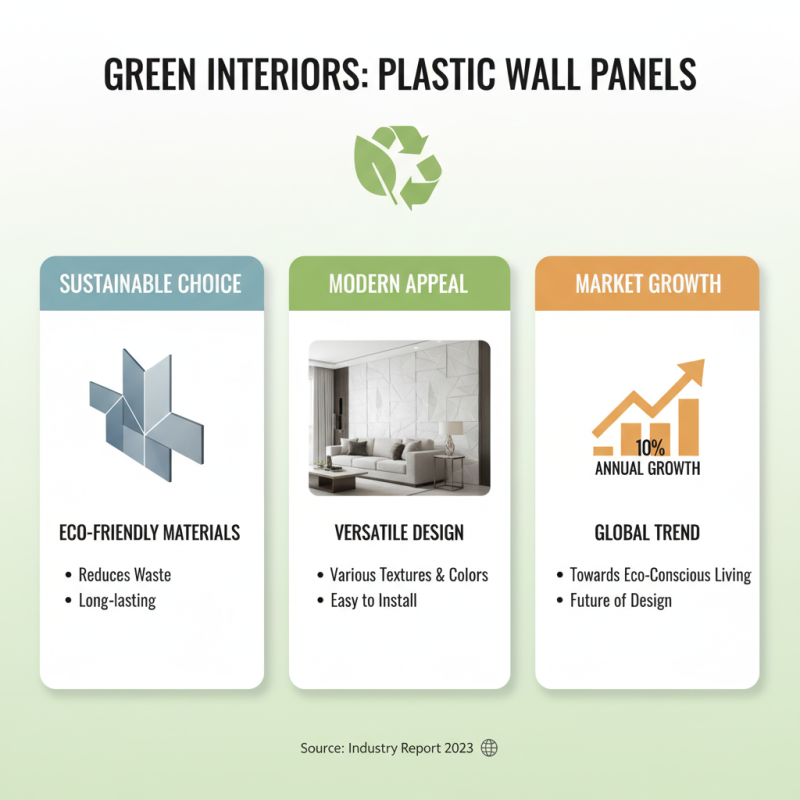
In recent years, the popularity of Plastic Wall Panels has surged in modern interiors. According to market research from Grand View Research, the global wall panel market is projected to reach $36.85 billion by 2028. This trend reflects the growing demand for aesthetic flexibility and functional design in home and commercial spaces.
Plastic Wall Panels offer advantages such as durability, low maintenance, and moisture resistance. They come in various styles and finishes, allowing homeowners and designers to create unique environments. While their versatility is appealing, some may question their environmental impact. The production process raises concerns that need addressing as we move toward more sustainable solutions.
The emergence of Plastic Wall Panels presents both opportunities and challenges. As design trends evolve, balancing style, functionality, and sustainability becomes crucial. It's essential to rethink how we perceive these materials in our interiors. The hesitation around their use should encourage innovation for a greener future.
Advantages of Lightweight Installation for Plastic Wall Panels
Plastic wall panels are becoming a favored choice for modern interiors. One standout feature is their lightweight design, making installation a breeze. Unlike traditional wall materials, these panels can be handled easily. You can save time and effort during renovations or new constructions.
When installing, consider using adhesive instead of nails. This method minimizes wall damage and provides a strong bond. Be cautious with the position of the panels; misalignment can be frustrating.
Tips: Always measure your space carefully before cutting the panels. A small mistake can lead to wasted materials and additional costs. If you're new to DIY tasks, practice first on a smaller area. This will help you understand how to work with the material effectively.
Durability and Maintenance: The Long-Lasting Benefits of Plastic Wall Panels
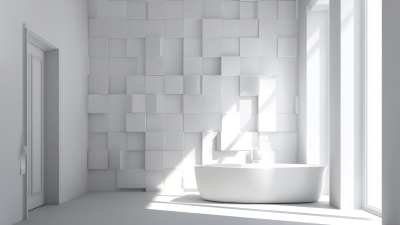
Plastic wall panels offer impressive durability for modern interiors. They resist moisture and mold, making them ideal for bathrooms and kitchens. These panels can withstand scratches and dents, keeping your walls looking fresh longer. Unlike traditional materials, they do not warp or crack easily, even in fluctuating temperatures. This means less frequent repairs or replacements.
Maintenance is a breeze with plastic wall panels. A simple wipe-down with a damp cloth preserves their appearance. You won't need harsh chemicals, which is a plus for eco-conscious homeowners. However, some individuals might find the plastic look less appealing compared to wood or stone. Taste varies, and not everyone appreciates the aesthetic.
While plastic panels have many advantages, it’s essential to consider personal style and preference. They might not fit every space or design theme. Some may see them as too modern or synthetic. Reflecting on these aspects can help you make a more informed choice. Ultimately, the long-lasting benefits of plastic wall panels can be a game-changer for those seeking durability and easy upkeep in their interiors.
Aesthetic Versatility: Enhancing Interior Design with Various Styles
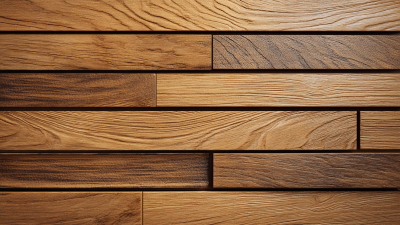
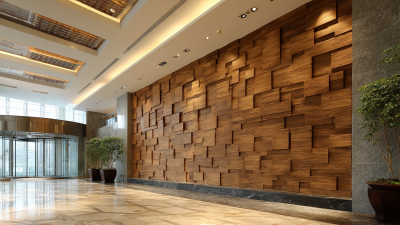
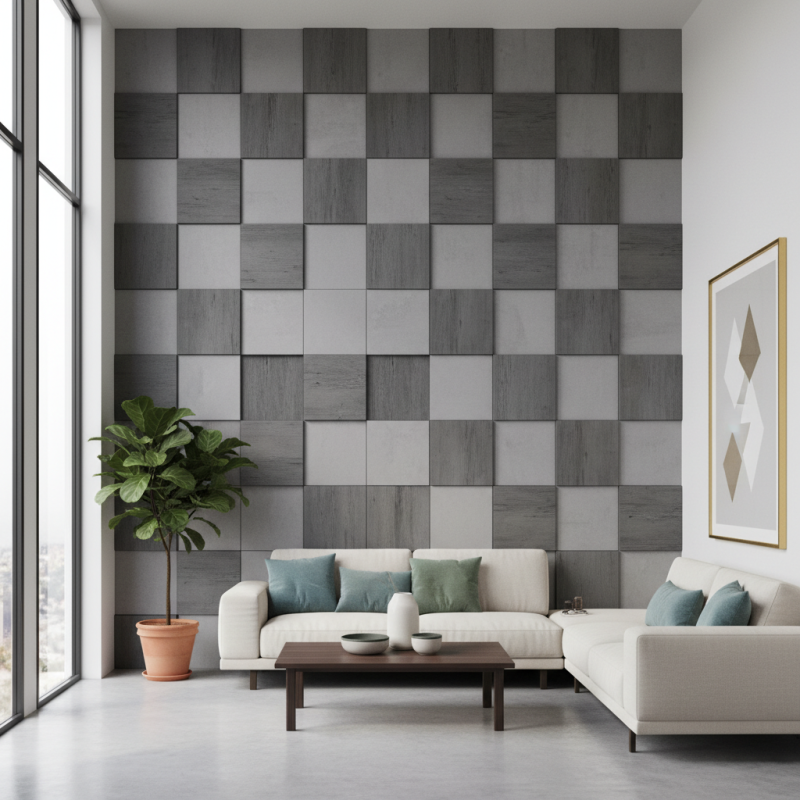
Plastic wall panels have gained popularity for their aesthetic versatility in modern interiors. These panels come in a wide range of styles and textures. You can easily find designs that mimic wood, stone, or even intricate patterns. This flexibility allows homeowners and designers to express their creativity. For example, a sleek metallic panel can add a modern touch to a minimalist space. In contrast, a faux-wood panel can create a warm and inviting atmosphere.
The installation process is usually straightforward, which can save time. However, not all panels are created equal. Some may not adhere properly, leading to peeling or warping. This requires careful selection and planning. Trim pieces can enhance the look, yet they may also complicate installations. A good finish ensures longevity, while a poor one might necessitate frequent replacements. Lastly, the versatility of these panels means they can blend or clash, depending on your choices. Reflecting on your design vision is essential to achieving the desired outcome.
Top 10 Benefits of Plastic Wall Panels for Modern Interiors
Cost-Effectiveness: Budget-Friendly Solutions with Plastic Wall Panels
Plastic wall panels offer a cost-effective solution for modern interiors. They are budget-friendly, making them ideal for renovations. Many home and business owners appreciate their affordability. These panels are often much less expensive than traditional materials, like wood or stone. This affordability allows for creative designs without breaking the bank.
Installation is also simpler and quicker. This means less labor cost and faster project completion. You can transform a room within a day or two. However, some might find that the quality differs from premium materials. It's important to choose wisely.
Additionally, plastic wall panels are versatile. They come in various styles, colors, and textures. You can find options that mimic wood or tile. This versatility lets you achieve a modern look without overspending. However, the challenge lies in ensuring that the chosen style fits your vision. A mismatch can lead to design regrets. Balancing budget and aesthetics is essential for a successful interior.
Top 10 Benefits of Plastic Wall Panels for Modern Interiors
| Benefit |
Description |
Cost-Effectiveness |
| Durability |
Resistant to scratches, dents, and moisture |
Reduced replacement costs |
| Low Maintenance |
Easy to clean and maintain |
Saves on cleaning materials |
| Versatility |
Available in various designs and colors |
No need for additional decorative materials |
| Lightweight |
Easier to handle and install |
Lower installation labor costs |
| Water Resistance |
Ideal for high-moisture areas |
Prevents costly water damage repairs |
| Aesthetics |
Enhances the look of any space |
Eliminates need for costly wall finishes |
| Eco-Friendly Options |
Made from recycled materials |
Potential tax benefits for green building |
| Installation Speed |
Quick and efficient setup |
Shorter project timelines save money |
| Insulation Properties |
Provides thermal insulation |
Reduced energy costs |
| Improved Soundproofing |
Reduces noise levels |
Less need for additional soundproofing materials |