What is PVC Wainscoting and Why Choose It for Your Home?
PVC wainscoting is an increasingly popular choice for homeowners looking to enhance their spaces. It offers both aesthetic appeal and durability. Made from polyvinyl chloride, PVC wainscoting is resistant to moisture, making it perfect for bathrooms and kitchens. This material is lightweight, which simplifies installation and reduces labor costs.
When considering home remodeling, the choice between materials is crucial. PVC wainscoting stands out due to its low maintenance requirements. Unlike wood, it does not warp or require frequent painting. Furthermore, its versatility allows it to fit various design styles. Some homeowners might worry about its synthetic nature. However, high-quality PVC can closely mimic the look of real wood without the drawbacks.
Choosing PVC wainscoting means selecting a reliable, long-lasting option. It comes in various colors and styles. You can customize it to match your vision. While it may not resonate with everyone, many are finding its benefits hard to ignore. Discovering the right material for your home might involve some trial and error. With PVC wainscoting, the results can lead to a fulfilling transformation.
What is PVC Wainscoting?
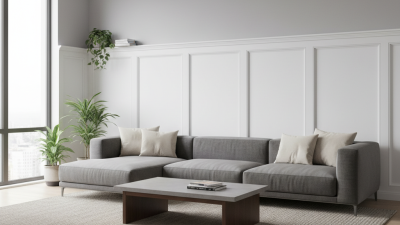
PVC wainscoting offers a versatile and appealing option for home interiors. This material is made from polyvinyl chloride, known for its durability and moisture resistance. It mimics the look of wood but requires much less maintenance. This makes it an excellent choice for high-traffic areas or spaces prone to humidity, such as bathrooms or kitchens.
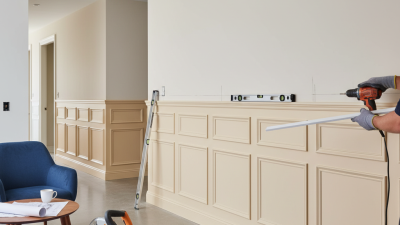
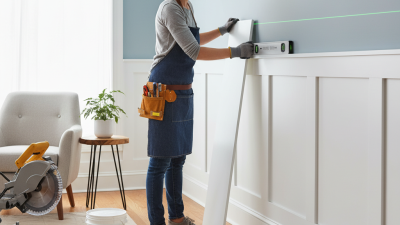
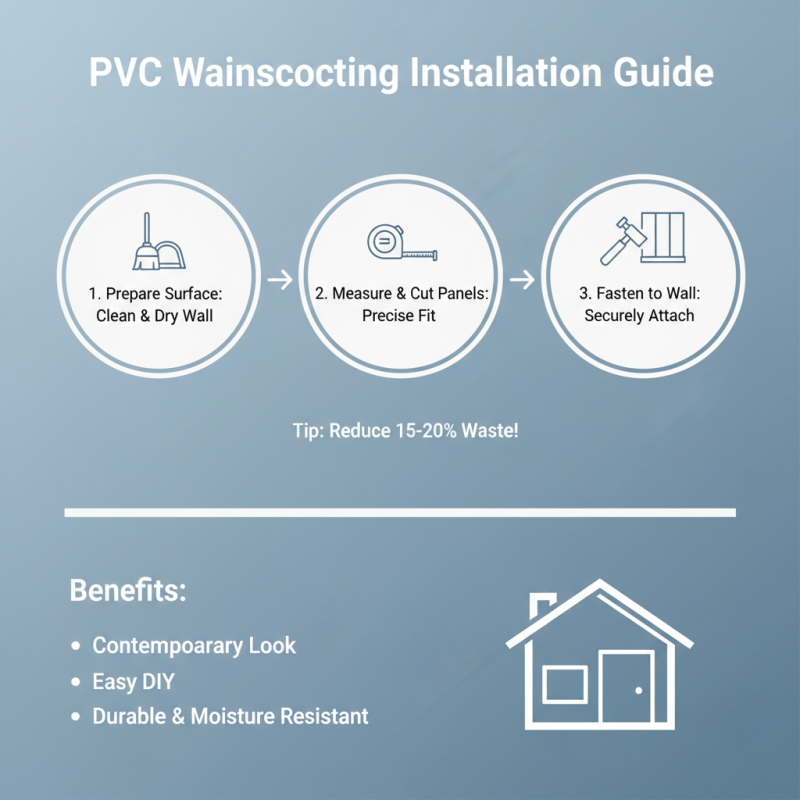
The installation process is relatively straightforward, which can save both time and costs. PVC wainscoting can be easily cut and shaped, allowing for creative designs. Homeowners often appreciate its variety of textures and colors. However, some may find its look less authentic compared to traditional wood. This aspect can lead to mixed feelings among those aiming for a classic aesthetic.
When considering PVC wainscoting, ensure you evaluate your home's style and needs. It can blend seamlessly with modern decor but may feel out of place in more traditional settings. Reflect on your design goals. Will this choice enhance your space? The decision should align with both functionality and visual appeal.
Advantages of Using PVC Wainscoting in Home Design
PVC wainscoting is an increasingly popular choice for home design. Its lightweight and durable nature makes it ideal for various applications. According to industry reports, PVC wainscoting can last over 50 years with minimal maintenance. This longevity adds significant value to homes.
One of the main advantages of PVC wainscoting is its moisture resistance. It is particularly beneficial for areas prone to humidity, like bathrooms and kitchens. Additionally, PVC is easy to clean. This is a considerable advantage for busy households. A study by the National Association of Home Builders found that homes with moisture-resistant materials often see a reduction in mold and mildew issues.
Tips for homeowners: when installing PVC wainscoting, ensure proper ventilation. This can help prolong its lifespan and maintain indoor air quality. Also, consider color and texture to complement your existing décor. Small design choices can make a big impact. Reflect on how PVC fits your aesthetic goals while providing practical benefits.
The cost-effectiveness of PVC wainscoting is another notable factor. Reports indicate that it can be 30-50% cheaper than traditional wood options. However, some might overlook the importance of quality over cost. Investing in high-quality PVC can offer greater durability and better aesthetics.
Comparison of PVC Wainscoting with Traditional Materials
When comparing PVC wainscoting to traditional materials, such as wood or plaster, several key differences emerge. PVC is lightweight, making it easier to install. Unlike wood, it does not warp or crack, even in humid conditions. This durability means you won’t have to worry about constant repairs or replacements. Traditional materials require regular maintenance, like painting and staining. PVC offers a consistent look, without the imperfections often found in wood.
Another notable aspect is cost. PVC wainscoting can be more affordable over time. Traditional wood often requires more financial commitment due to its upkeep. On the other hand, PVC wainscoting is resistant to moisture and insects, making it suitable for various settings. However, some might find the aesthetic of PVC less appealing compared to the natural beauty of wood.
Environmental concerns can also play a role. Wood is a renewable resource, but sourcing it sustainably is crucial. PVC, while less eco-friendly in production, offers longevity, reducing waste over time. Both options have their pros and cons, leading to a thoughtful decision for homeowners. Balance your preferences against practical needs to find the right choice for your space.
Maintenance Tips for Long-lasting PVC Wainscoting
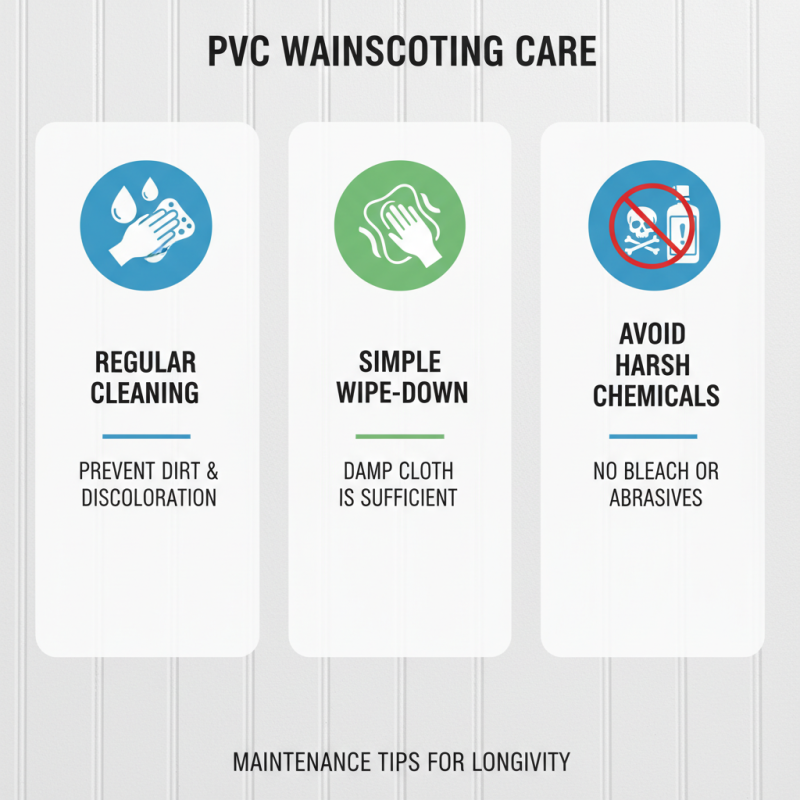
PVC wainscoting is a popular choice in home design due to its durability and versatility. However, maintenance is key for longevity. Regular cleaning can prevent dirt buildup and discoloration. A simple wipe with a damp cloth often does the trick. Yet, it’s important to avoid harsh chemicals that may damage the surface.
Inspecting the panels periodically is crucial. Look for signs of wear, such as cracks or looseness. These issues, if left unattended, can worsen over time. If you notice them, address them promptly. A small repair can save the entire panel from needing replacement.
Moisture control is another vital aspect. Even though PVC is water-resistant, it’s good practice to keep it dry. Excess moisture can lead to mold, which is detrimental to aesthetics and health. Ensure proper ventilation in areas like bathrooms and kitchens. Caring for PVC wainscoting doesn't have to be complicated, but it requires attention to detail. Regular upkeep can maximize its lifespan and enhance your home’s beauty.