How to Choose the Best Plastic Bathroom Cladding for Your Home?
Choosing the right plastic bathroom cladding for your home is essential. It impacts both the aesthetics and functionality of your space. Plastic bathroom cladding offers a modern alternative to traditional tiles. It's durable, waterproof, and easy to clean. Yet, with various options available, making a decision can be challenging.
Consider the style and color that complements your bathroom. The right choice can enhance the overall look. Each type of plastic bathroom cladding comes with unique features. Some might resist fading better than others. Others may have various texture options. It's worth thinking about maintenance. Are you ready for routine cleaning, or do you prefer low-maintenance materials?
Some cladding may not be as resistant to damage as claimed. This raises questions about long-term reliability. Balancing your budget with quality can be tricky. Getting samples can help visualize the outcome in your space. Look for customer reviews to inform your choice. The key is to blend your personal taste with practical considerations. Ultimately, the goal is to create a bathroom that is stylish and functional.
Understanding Plastic Bathroom Cladding Materials and Types
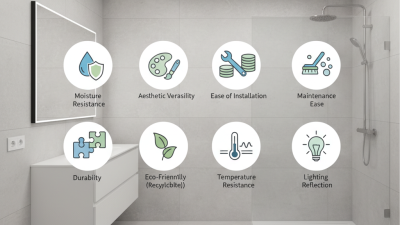
When selecting plastic bathroom cladding, understanding the materials and types is crucial. Common types include PVC, acrylic, and HIPS. PVC is widely used due to its affordability and resistance to moisture. It can last for over 20 years with proper care, making it a popular choice for many homeowners. Acrylic offers a more modern look, easily mimicking tiles or stone surfaces. Reports indicate that acrylic can improve a bathroom's aesthetic appeal by up to 45%.
Considering durability, HIPS (High Impact Polystyrene) is worth mentioning. It is less expensive than acrylic but offers a similar aesthetic. However, it may not be as moisture-resistant. Many professionals suggest combining materials for better results. Mixing PVC and acrylic can balance cost and durability effectively. A study found that blended materials can reduce installation costs by up to 30%.
Additionally, installation can vary across types. Some materials require adhesives, while others can snap together. Understanding these differences can save time and money. Surveys reveal that 60% of homeowners prioritize ease of installation when choosing cladding. Taking the time to evaluate your space and preferences can lead to a more satisfying outcome in your bathroom renovation.
Evaluating Durability and Water Resistance in Bathroom Cladding
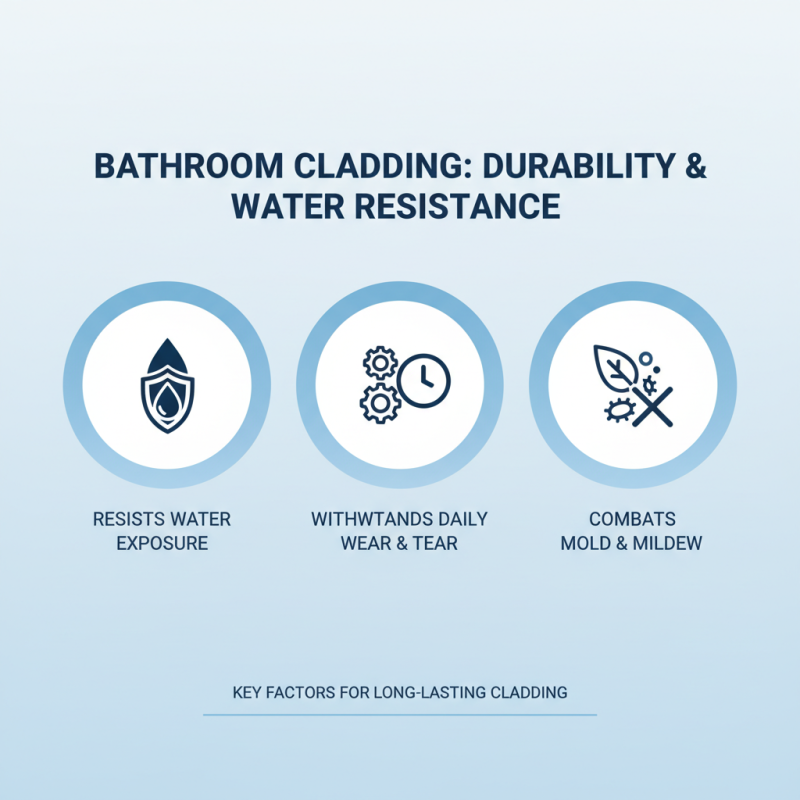
When selecting plastic bathroom cladding, durability and water resistance are paramount. These factors determine how well the cladding will perform over time. In high-moisture environments like bathrooms, cladding must withstand both water exposure and the inevitable wear and tear that comes with regular use. Look for materials that are specifically designed to resist mold and mildew growth. This feature can extend the lifespan of your cladding significantly.
Testing the water resistance of the cladding is essential. Consider running a water test on samples to see how they hold up under pressure. Some materials absorb moisture quickly, leading to warping or discoloration. If you notice the surface feels slick or shows signs of damage after exposure, it may not be the best choice. Additionally, think about how the cladding will be installed. Poor installation can compromise even the most water-resistant materials.
Keep in mind that while durability is vital, style shouldn’t be ignored. You want a finish that complements your bathroom decor. Choosing a cladding that balances aesthetics with functionality can be challenging. Sometimes, the options that look good may not perform well, leading to regrets later on. Always weigh benefits against potential drawbacks to ensure your final choice truly fits your needs.
Aesthetic Considerations: Color and Design Options for Cladding
When selecting plastic bathroom cladding, aesthetics play a crucial role. Color and design can greatly influence your bathroom's overall ambiance. According to industry reports, 70% of homeowners prioritize color schemes when renovating. This insight emphasizes the importance of choosing hues that complement your existing decor. Light colors can make a space feel larger, while darker shades add intimacy. Consider the balance of colors in your bathroom.
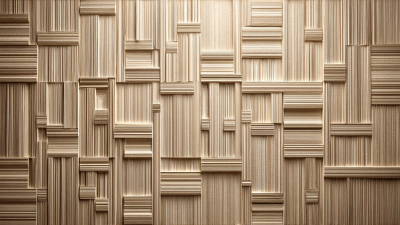
Textures and patterns also significantly impact visual appeal. Smooth finishes create a modern look, while embossed textures can add depth. Research indicates that textured surfaces can reduce slip risks, making them not just visually appealing but also pragmatic. A range of designs is available, from simple panels to intricate mosaic styles.
Tips: Always order samples before making a final decision. This will help you see how colors and textures interact with your lighting. Think about the long-term maintenance too. Some finishes may require more upkeep than others.
In terms of sustainability, eco-friendly options are increasingly popular. Cladding made from recycled materials is available and is often comparable in price. This choice allows you to enhance your bathroom while being mindful of the environment. Be sure to evaluate the longevity of the materials as well.
How to Choose the Best Plastic Bathroom Cladding for Your Home?
| Color Options |
Design Patterns |
Finish Types |
Durability Rating |
Maintenance Level |
| White |
Smooth |
Glossy |
High |
Low |
| Light Blue |
Textured |
Satin |
Medium |
Medium |
| Grey |
Marble |
Matte |
High |
Low |
| Cream |
Geometric |
Semi-Gloss |
Medium |
High |
Installation Process: DIY vs. Professional Help for Bathroom Cladding
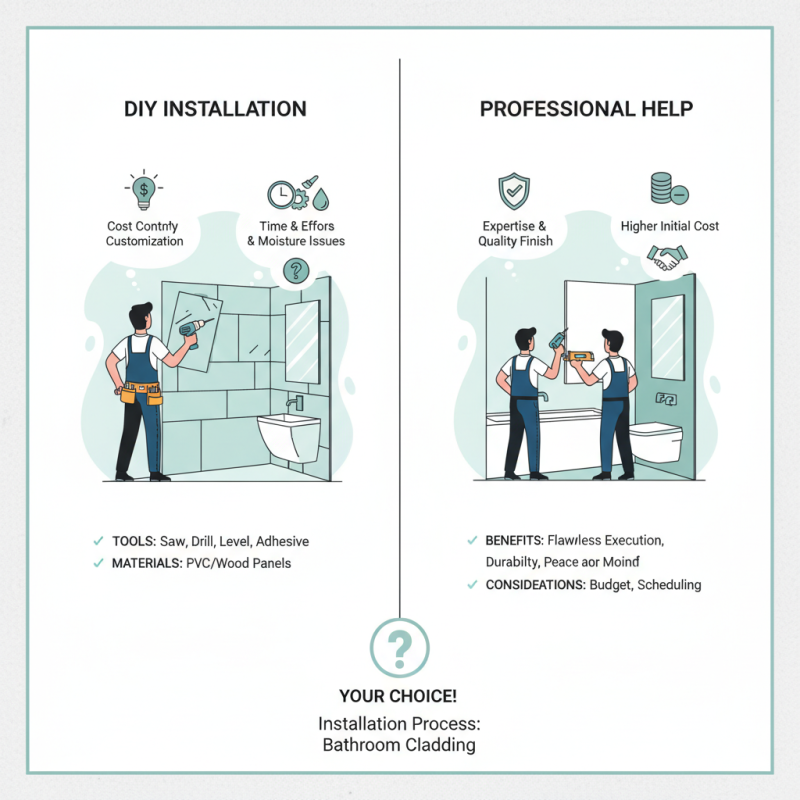
When it comes to bathroom cladding, the installation process is crucial. Many homeowners face a decision: tackle the project themselves or hire professionals. DIY enthusiasts may find the task appealing. It allows for creativity and control over costs. However, it requires time and effort. Missteps can lead to uneven panels or moisture issues. It’s essential to understand the tools required and how to handle materials correctly.
On the other hand, hiring professionals can provide peace of mind. Skilled installers have the experience to ensure a perfect fit. They know how to tackle unexpected challenges. Installation can be completed quickly, saving you time and stress. However, the cost can be a hurdle for some. It’s wise to weigh your budget against the quality of work. A professional job might seem expensive initially, but it can prevent costly repairs later.
Ultimately, your choice depends on your skills and comfort level. If you decide to go the DIY route, ensure you research thoroughly. Take your time to plan each step carefully. If you choose professionals, check reviews and ask for recommendations. Trustworthy experts can make all the difference in achieving a beautiful finish.
Cost Analysis: Budgeting for Plastic Bathroom Cladding Choices
When budgeting for plastic bathroom cladding, consider the initial cost and long-term value. Prices can vary significantly based on quality and design. Basic options may start as low as $10 per square meter, while higher-end selections can exceed $30. Understand your needs before making a choice.
Installation expenses also play a crucial role. Hiring a professional can add $20 to $40 per square meter. If you're handy, consider DIY installation to save costs. Always factor in potential project overruns. Unexpected issues might arise, affecting the overall budget.
Durability is another important aspect. Lower-priced materials might not withstand moisture as effectively. This could lead to replacements sooner than expected. Evaluate warranties and material lifespans. A lower initial cost might not be true savings in the long run. Aim for a balance between cost and quality to ensure satisfaction with your choice.