10 Essential Tips for Choosing Plastic Bathroom Cladding for Your Home
When it comes to transforming your bathroom space, choosing the right materials is crucial. One increasingly popular option is Plastic Bathroom Cladding, which offers a modern and practical solution for wall coverings. With its durability, ease of maintenance, and aesthetic versatility, it has become a favored choice among homeowners looking to enhance their bathrooms without the high costs associated with traditional materials. However, the plethora of choices available can be overwhelming.
To ensure you make an informed decision, it's essential to understand the key factors that will influence your choice of Plastic Bathroom Cladding. From considerations of moisture resistance and aesthetic appeal to installation ease and cost-effectiveness, various aspects should be evaluated carefully. In this guide, we present ten essential tips to help you navigate the selection process. By keeping these tips in mind, you can find the perfect cladding that not only meets your practical needs but also enriches the overall ambiance of your home.
Benefits of Plastic Bathroom Cladding: Durability and Maintenance Factors
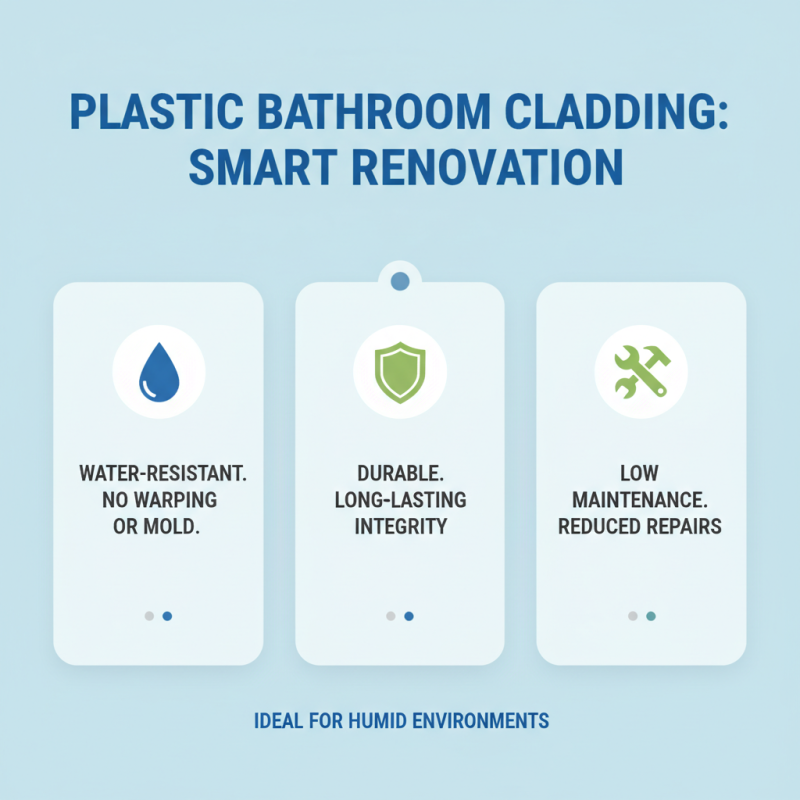
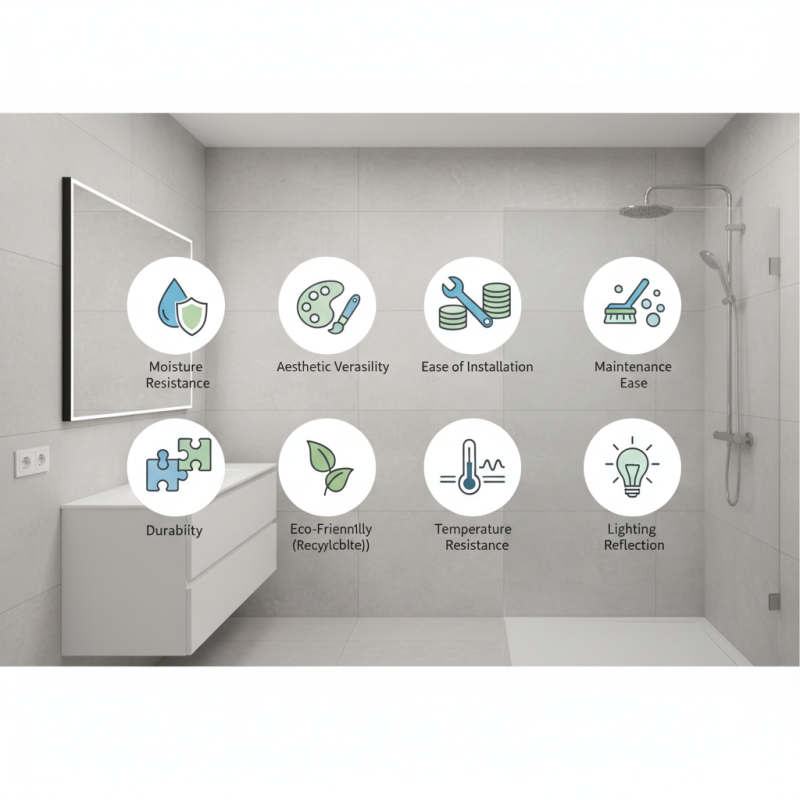
When considering bathroom renovations, plastic cladding emerges as a favored choice due to its numerous durability and maintenance benefits. One of the key advantages of plastic bathroom cladding is its water resistance, making it an ideal material for humid environments. Unlike traditional materials like wood or drywall, plastic cladding does not warp, mold, or deteriorate when exposed to moisture. This inherent property ensures that the walls maintain their integrity over time, reducing the frequency and cost of repairs.
In addition to its durability, plastic cladding requires minimal maintenance, which is a substantial benefit for homeowners. A simple wipe down with a damp cloth is typically sufficient to keep these surfaces clean, as they are resistant to staining and do not harbor bacteria, making them a hygienic option for bathrooms. Furthermore, the availability of various styles and colors allows homeowners to achieve the desired aesthetic without compromising on functionality. Overall, plastic bathroom cladding combines practical benefits with ease of care, making it a sensible choice for modern home designs.
Understanding the Different Types of Plastic Cladding Materials Available
When it comes to selecting plastic bathroom cladding, understanding the various types of materials available is crucial for making an informed choice. Polyvinyl chloride (PVC) is one of the most common materials, known for its durability and resistance to water, making it an excellent option for wet environments. PVC cladding often comes in a range of colors and finishes, allowing homeowners to create the desired aesthetic without compromising on practicality.
Another popular option is acrylonitrile butadiene styrene (ABS), which offers a certain degree of flexibility and impact resistance. This type of cladding is lightweight and easy to install, making it a favorite among DIY enthusiasts. Additionally, ABS is resistant to chemical exposure, which can be beneficial in a bathroom setting where cleaning agents may be used. Understanding the differences between these materials, including their strengths and weaknesses, will enable homeowners to choose the best cladding that suits both their functional needs and design preferences.
Key Considerations for Selecting the Right Thickness of Cladding Panels
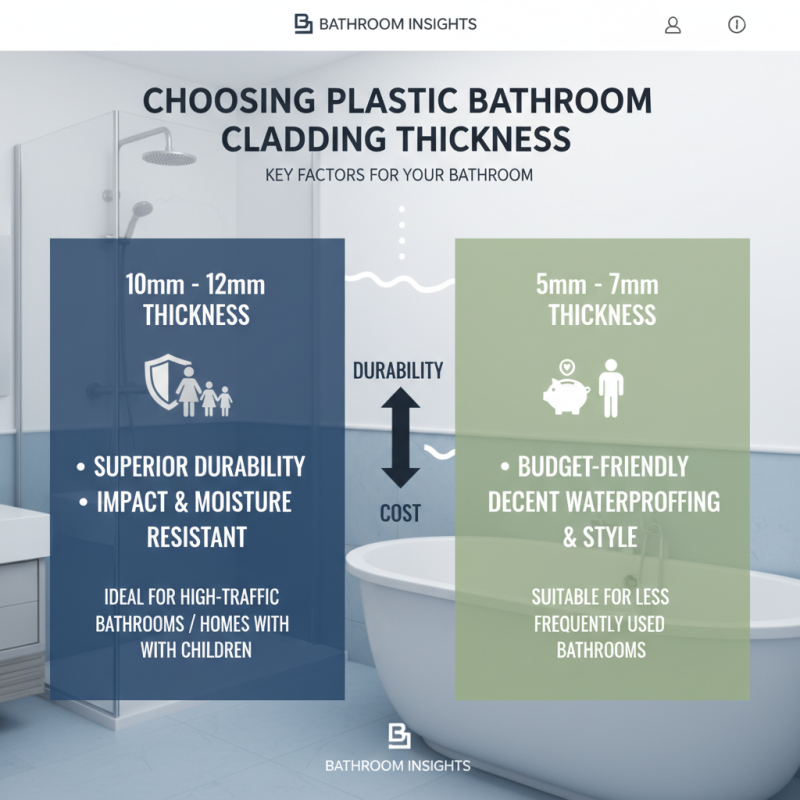
When it comes to selecting the right plastic bathroom cladding, the thickness of the cladding panels plays a crucial role in determining both durability and aesthetic appeal. Thicker panels, typically around 10mm to 12mm, offer superior resistance to impacts and moisture, making them ideal for high-traffic areas or homes with children. Conversely, panels that are 5mm to 7mm thick can be a budget-friendly option while still providing a decent level of waterproofing and style, suitable for less frequently used bathrooms.
Tip: Always consider the installation environment when choosing thickness. If your bathroom experiences high humidity or is prone to frequent spills, opting for thicker panels will ensure longevity and performance. Additionally, keep in mind that thicker panels may require additional support during installation, so assessing the wall structure is also essential.
Another important aspect is the overall weight of the panels. Thicker cladding can add significant weight, which may require reinforced wall structures for proper support. This consideration is fundamental to ensure a secure installation that will withstand the test of time.
Tip: When in doubt about thickness, consult with a professional installer who can provide insights tailored to your specific bathroom layout and usage patterns. Taking the time to evaluate these factors will ultimately lead to a more satisfying outcome, enhancing both functionality and visual appeal in your bathroom space.
The Impact of UV Resistance on the Longevity of Bathroom Cladding
When selecting plastic bathroom cladding, one of the most critical factors to consider is its UV resistance, which directly influences the longevity and aesthetic appeal of the material. According to industry reports, high-quality PVC cladding that is UV resistant can last up to 20 years or more, effectively resisting the deterioration caused by sunlight exposure. Cladding that lacks sufficient UV protection may experience discoloration, brittleness, and warping, leading to costly replacements and repairs in just a few years.
Moreover, UV resistance plays a significant role in maintaining the integrity of the bathroom environment. A study conducted by the National Polymer Society highlights that cladding with poor UV protection can contribute to mold and mildew growth, particularly in humid conditions often found in bathrooms. This not only affects the visual aspect but can also pose health risks for occupants. Therefore, opting for plastic cladding with high UV resistance not only enhances durability but also promotes a healthier living space by minimizing maintenance issues and the potential for moisture-related problems.
Cost Analysis: Comparing Plastic Cladding to Traditional Bathroom Materials
When it comes to renovating your bathroom, the choice of materials can significantly impact both the upfront costs and long-term value of your investment. A recent industry report by Research and Markets indicates that the global plastic cladding market is projected to grow at a compound annual growth rate (CAGR) of 5.6%, reflecting its increasing popularity as an alternative to traditional bathroom materials like tile and drywall. One of the significant advantages of plastic cladding is its cost-effectiveness; it can be approximately 30% cheaper to install compared to traditional materials. This is primarily due to lower labor costs and the ease of installation associated with plastic panels.
Moreover, the longevity and maintenance costs of plastic cladding further enhance its economic appeal. According to a study by the Home Improvement Research Institute, homeowners can expect to save around 50% on maintenance costs over a ten-year period when opting for plastic over traditional tiling. This is largely attributed to plastic’s resistance to moisture, mold, and mildew, which are common problems in bathrooms. While the initial cost savings are noteworthy, the total cost of ownership over time paints a more favorable picture for plastic bathroom cladding, making it a smart financial choice for homeowners looking to modernize their spaces without breaking the bank.