How to Choose Pvc Hygienic Wall Cladding for Your Space?
Choosing the right PVC hygienic wall cladding for your space is crucial. This decision can impact cleanliness, aesthetics, and maintenance. PVC hygienic wall cladding offers various styles and finishes. However, not all products are created equal.
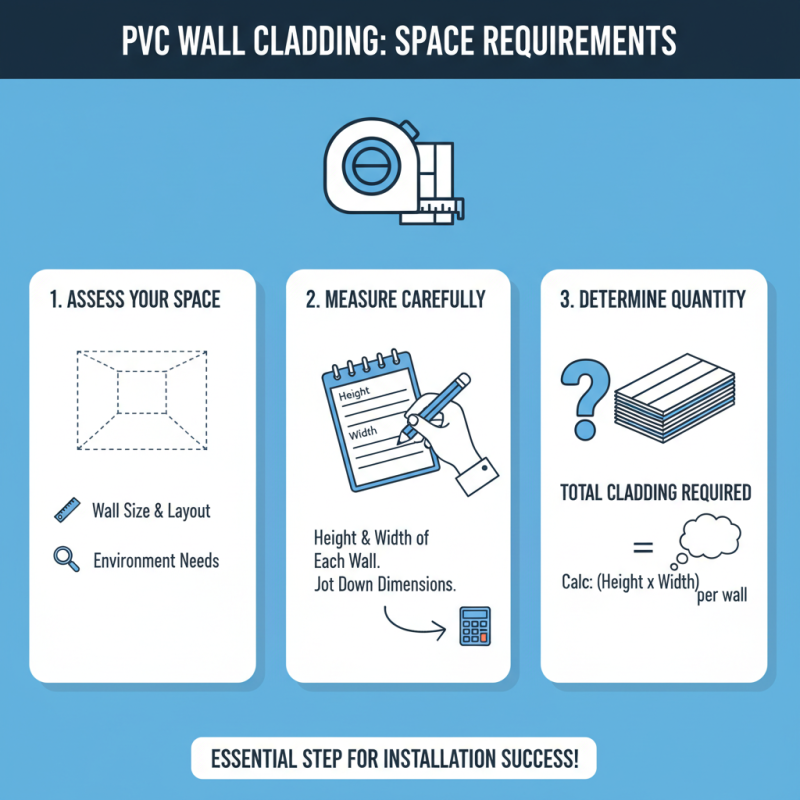
Consider your specific needs before purchasing. Different environments may require different levels of durability. For instance, a hospital room demands higher hygiene standards than a retail space. Pay attention to texture and color, as these elements affect ambiance.
You might find that some brands lack detailed information. This can lead to uncertainty about quality and performance. Assess the installation process, as improper fitting can cause issues. Reflect on how often you want to clean the surfaces, too. Ultimately, your choice of PVC hygienic wall cladding should balance practicality and design.
Understanding PVC Hygienic Wall Cladding and Its Benefits
PVC hygienic wall cladding is gaining traction in various industries. Its unique properties offer significant benefits. This material is lightweight, easy to install, and highly durable. According to recent industry reports, these cladding solutions can reduce cleaning time by up to 40%. Less time cleaning means more productivity.
One major advantage of PVC cladding is its resistance to moisture and chemicals. This is crucial in environments like hospitals and kitchens. Such environments demand stringent hygiene standards. Furthermore, the smooth surface prevents the growth of mold and bacteria, ensuring safety. Shockingly, studies show that in facilities using PVC cladding, contamination rates drop significantly.
Tips: When choosing PVC cladding, consider thickness. A thicker panel often provides better insulation. Always check for certifications to ensure quality. You might think all products are the same, but they aren’t. Not all cladding will perform similarly. Reflect on your specific needs before making a decision. Choose wisely for a safer, cleaner space.
Benefits of PVC Hygienic Wall Cladding
Selecting the Right Thickness and Texture for Your Cladding
Choosing the right thickness and texture for your PVC hygienic wall cladding is crucial. The thickness affects durability and installation. Generally, a thickness of 2-3mm is sufficient for commercial spaces, while 3-5mm may be better for high-traffic areas. Thicker panels often withstand impacts better. However, they can be heavier and more difficult to install.
Texture plays a vital role too. Smooth surfaces are easier to clean but may not hide imperfections well. Textured options can conceal marks, but may require more cleaning effort. Consider the specific needs of your space when making this choice.
Tips: Always test a sample in your environment before making a decision. This allows you to see how thickness and texture combine. Think about your cleaning routine too. If you prefer low maintenance, smooth surfaces might work better. Don’t overlook how light affects the cladding; reflections may change your perception of space.
How to Choose PVC Hygienic Wall Cladding for Your Space?
| Criteria |
Thickness Options (mm) |
Texture Types |
Common Uses |
Advantages |
| Thickness |
1.0, 1.5, 2.0, 3.0 |
Smooth, Textured, Embossed |
Kitchens, Bathrooms, Hospitals |
Water-resistant, Easy to Clean |
| Durability |
1.0 - 1.5mm (Light duty), 2.0 - 3.0mm (Heavy duty) |
Anti-bacterial, Glossy, Matte |
Food Processing, Laboratory |
Long-lasting, Hygiene-friendly |
| Installation |
Varies by thickness |
Plain, Decorative |
Commercial Spaces, Veterinary Clinics |
Cost-effective, Quick Installation |
Choosing Colors and Finishes that Complement Your Design
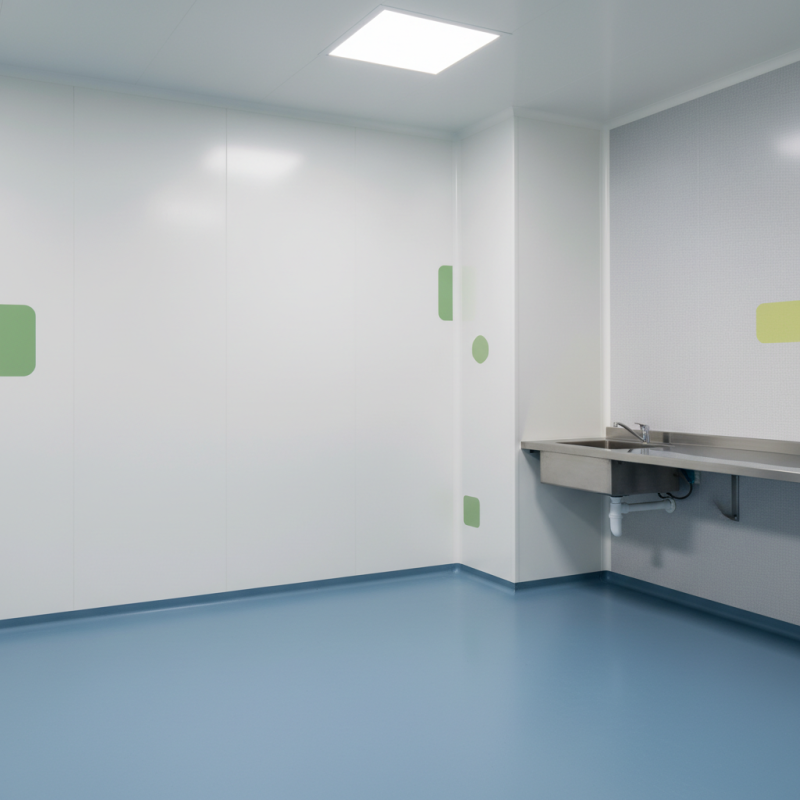
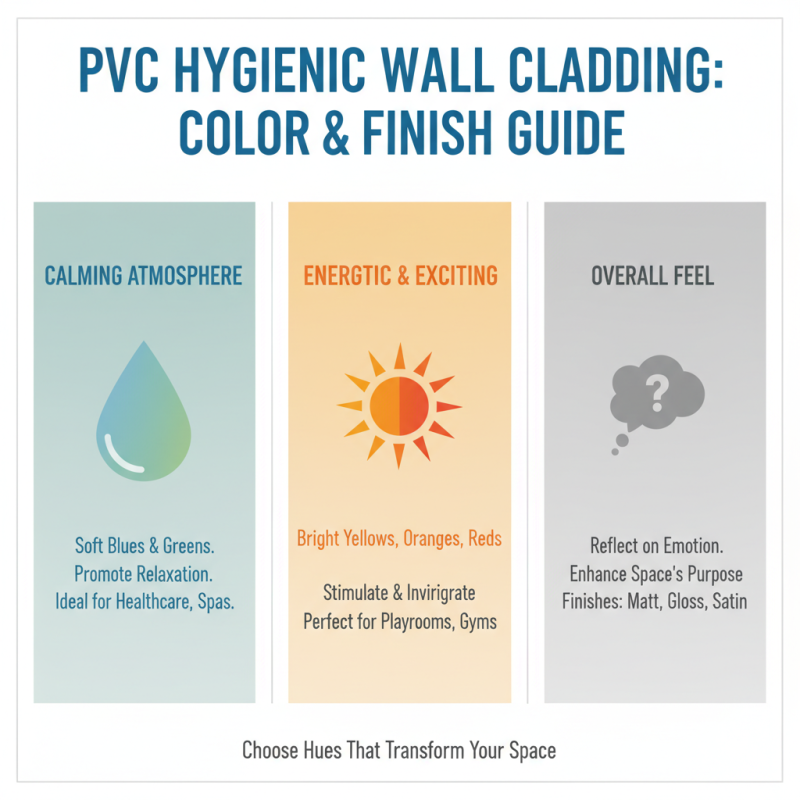
When selecting PVC hygienic wall cladding, colors and finishes play a crucial role. Choose hues that will enhance the overall feel of your space. For a calming atmosphere, soft blues and greens work wonders. Bright colors can energize and excite a room. Reflect on how each color makes you feel.
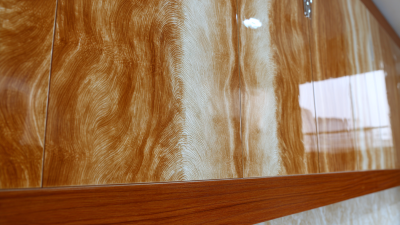
Textures matter too. A matte finish can add sophistication, while a glossy surface might suit modern aesthetics. Avoid overly flashy designs that could clash with your existing decor. Look at samples in different lighting. Natural light changes the way colors appear. Pay attention to how the room transforms throughout the day.
Here are a few tips: Mix finishes for visual interest. Pair light cladding with darker accents. This creates a balanced look. Don't hesitate to experiment with patterns. They can add character to sterile environments. Lastly, get opinions from others. Fresh perspectives may reveal missed opportunities. Trust your instincts, but consider the input of those who will share the space.
Assessing Installation Methods and Maintenance Options for Durability
When selecting PVC hygienic wall cladding, installation methods and maintenance options play vital roles in ensuring durability. Take time to assess the installation surfaces. Flawed or uneven walls can complicate the process. A smooth surface is ideal. If you spot irregularities, repairs may be necessary before the cladding installs.
Maintenance is equally important. PVC wall cladding is generally low-maintenance, but not maintenance-free. Regular cleaning can enhance its lifespan. Use mild detergents to wipe surfaces without damaging them. Overlooked areas may gather grime, leading to eventual deterioration. Watch for signs of wear over time. Ignoring small cracks or discoloration can lead to bigger issues.
Consider the environment where the cladding will be installed. High-humidity spaces like kitchens or bathrooms require special attention. The wrong choice might lead to issues like mold growth. Reflect on your decision carefully. Durability comes from not just the material, but also from how well you maintain it and the conditions it endures.