How to Choose the Best PVC Wall Cladding for Your Project?
Choosing the right PVC wall cladding can significantly influence the success of your project. In recent years, the PVC wall cladding market has expanded rapidly. According to the latest industry report by Smith and Associates, the demand for PVC wall cladding is projected to grow by 6% annually through 2025. This growth is driven by its durability and ease of maintenance.
Industry expert Dr. Emily Wong states, “Selecting quality PVC wall cladding is crucial for both aesthetics and functionality.” This underscores the importance of making an informed decision. While many options exist, not all materials are created equal. Understanding the specific requirements for your project, such as environmental conditions and design preferences, is essential.
Many users overlook the importance of appropriate thickness and insulation properties. Poor choices can lead to issues like moisture retention or thermal inefficiency. It's crucial to research various brands and their performance histories. Engaging with professionals can provide valuable insights. Ultimately, the right PVC wall cladding should enhance both the practicality and the visual appeal of your space.

Understanding PVC Wall Cladding: Types and Materials
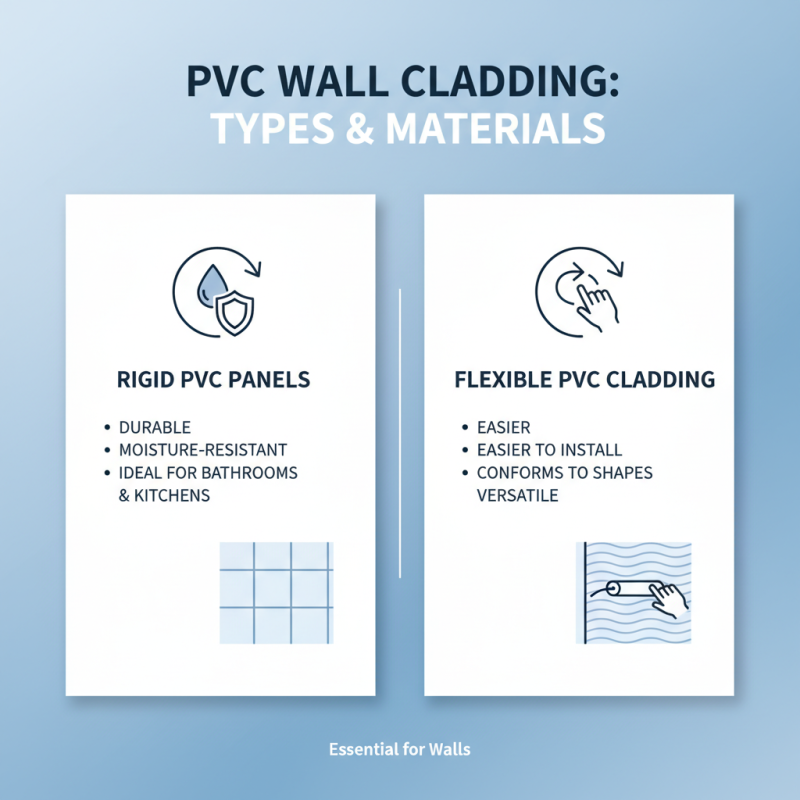
When it comes to PVC wall cladding, understanding the types and materials available is essential. PVC cladding primarily comes in two forms: rigid and flexible. Rigid panels are known for their durability and resistance to moisture, making them ideal for bathrooms and kitchens. Flexible cladding, on the other hand, is often easier to install and can conform to various shapes.
Materials used in PVC wall cladding vary widely. Common options include foamed PVC, which is lightweight and provides good thermal insulation. There are also high-density PVC options, offering enhanced strength and longevity. Each material has its advantages and drawbacks. For example, while foamed PVC is economical, it may not withstand heavy impacts as well as high-density variants.
Choosing the right type may require some trial and error. Not every material will suit your specific project needs. Factors like location, exposure to elements, and desired aesthetics can significantly impact your decision. Even experienced builders often find themselves reassessing their choices as projects evolve. This reflection can lead to better-informed decisions in the long run, enhancing the overall outcome.
Evaluating Your Project Needs: Size, Style, and Functionality
When choosing PVC wall cladding, evaluating your project needs is critical. Consider the size of the area you will cover. For larger spaces, wider panels can create a seamless look. Smaller areas might benefit from intricate designs or patterns. The fit between wall dimensions and panel sizes will greatly influence the final aesthetic.
Style is another key factor. Think about how the cladding will complement your existing decor. Modern spaces might call for sleek, glossy finishes, while rustic themes might suit textured or wood-like appearances. Visualize the overall effect before making a decision. Sometimes, unexpected combinations can yield stunning results. Don't overlook the functionality of the cladding. If the area is prone to moisture, select a moisture-resistant option. Not all PVC is created equal, and effectiveness can vary widely.
Lastly, think about your long-term goals. Will the space need to withstand heavy wear? Is ease of cleaning a priority? Reflect on how much time you want to spend on maintenance. Your choices now will affect your enjoyment of the space later. It's okay to feel uncertain. Experimentation is part of the process.
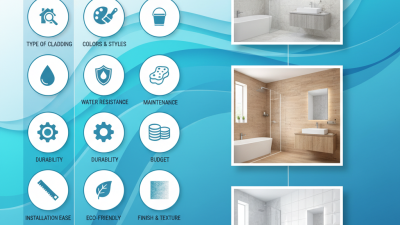
Comparison of PVC Wall Cladding Options Based on Project Needs
Comparing Cost Factors: Budgeting for PVC Wall Cladding
When budgeting for PVC wall cladding, understanding cost factors is crucial. Prices can vary significantly based on quality, style, and installation. Basic options may be affordable, but they might not endure wear and tear. Investing in higher-quality panels can save money in the long run.
Consider installation costs, too. DIY installation can cut expenses, but mistakes can lead to extra costs. Hiring professionals ensures a polished finish, though it will add to your budget. Be mindful of the long-term implications of your choices. High-quality materials may require a larger upfront investment but can prevent future expenses related to repairs and replacements.
Monitor your overall project budget. Sometimes, you might feel tempted to cut corners. However, this can backfire, costing more later. Assessing both immediate and future needs will guide you in making informed, lasting choices. Balance aesthetics with durability and your budget for the best outcome.
Installation Considerations: DIY vs. Professional Help
Installing PVC wall cladding can be a rewarding project.
However, deciding between a DIY approach and hiring professionals requires careful thought. Each option has its own advantages and challenges.
When considering a DIY installation, ensure you have the right tools.
A straight edge, level, and a saw are essential. Measure your walls accurately for precise cuts. Be prepared for unexpected issues, like misalignments or waste.
Budget for potential mistakes, as they can add up quickly.
A DIY approach can save money but requires time and effort.
On the other hand, professional help offers expertise. Skilled installers understand common pitfalls and can work efficiently.
Their experience allows for faster completion and ensures a polished finish.
However, skilled labor can be costly. Weigh the benefits of quality against your budget.
Reflect on your own skills and experiences.
A poorly done installation might necessitate costly repairs later. Choose wisely based on your project goals.
Maintenance and Durability: Choosing Long-lasting Options
When selecting PVC wall cladding, durability and maintenance play crucial roles. Opting for high-quality materials can help avoid frequent replacements. Look for products that are specifically designed to withstand moisture and temperature changes. A textured finish can enhance durability, reducing scratches and wear over time.
Consider the ease of cleaning, too. Some cladding options require minimal maintenance. Regular wipes with a damp cloth can keep them looking fresh. However, some finishes might show dirt and stains more easily. It’s worth reflecting on your specific environment.
Also, think about installation. Some boards can warp if not installed properly. Checking installation guidelines is essential. If you're unsure, consult with a professional for advice. This helps in ensuring long-lasting results and can save time and costs in the long run. Choosing the right PVC wall cladding involves balancing aesthetics with practicality.
How to Choose the Best PVC Wall Cladding for Your Project? - Maintenance and Durability: Choosing Long-lasting Options
| Option |
Material Properties |
Durability (Years) |
Maintenance Required |
Cost ($/sq ft) |
| Standard PVC |
Water-resistant, lightweight |
10-15 |
Low, wipe clean |
2-4 |
| Foamed PVC |
Excellent insulation, impact-resistant |
15-20 |
Minimal, occasional polish |
3-5 |
| PVC Laminated |
Glossy finish, decorative patterns |
10-15 |
Moderate, clean surfaces regularly |
4-6 |
| Recycled PVC |
Eco-friendly, medium strength |
8-12 |
Low, easy to maintain |
2-3 |
| High-Impact PVC |
Heavy-duty, superior resistance |
20+ |
Very low, minimal upkeep |
5-7 |