Why Choose Plastic Bathroom Cladding for Your Renovation?
As homeowners embark on renovations, the choice of materials plays a critical role. Plastic Bathroom Cladding has gained popularity due to its durability and aesthetic appeal. According to a 2022 industry report by Homeowner Insights, nearly 70% of homeowners prefer plastic over traditional tiles for bathroom upgrades. This choice underscores a shift towards materials that offer both style and practicality.
Expert designer Sarah Thompson emphasizes, "Plastic Bathroom Cladding is revolutionizing bathroom designs. It combines elegance with ease of maintenance." Her insights shed light on why many are moving toward this option. The variety of textures and colors available makes it an attractive alternative. Additionally, the moisture-resistant properties can prevent mold and mildew, making it safer for families.
However, some homeowners express concern about the long-term sustainability of plastic products. While they are low-maintenance, plastic can be less environmentally friendly. As renovations continue to trend, weighing the pros and cons of Plastic Bathroom Cladding is essential for making informed decisions. Balancing aesthetics with sustainability remains a challenge.
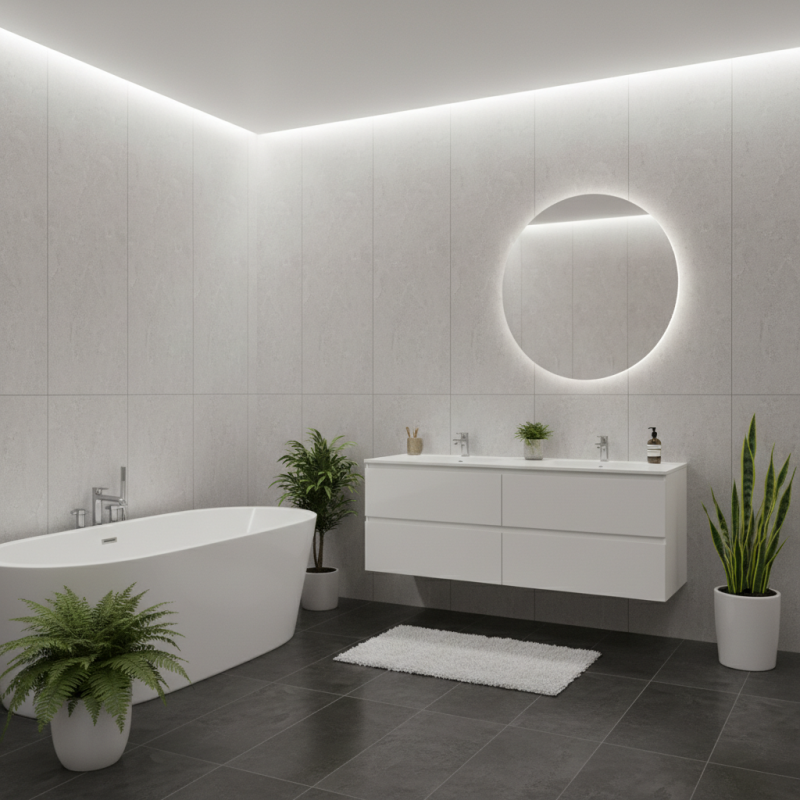
Benefits of Plastic Bathroom Cladding Over Traditional Materials
When renovating a bathroom, plastic cladding can be a smart choice. It offers several advantages over traditional materials. First, plastic cladding is lightweight. This makes it easier to handle and install. Heavy tiles, on the other hand, can cause strain. Additionally, plastic is resistant to moisture. Traditional options like wood or drywall often warp and decay when exposed to humidity.
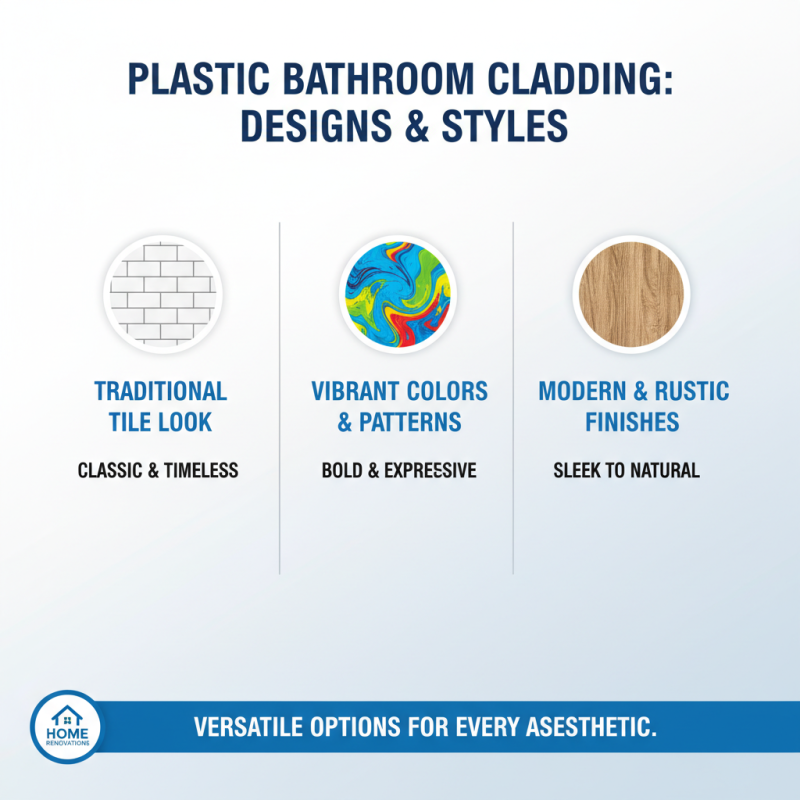
Another benefit is the variety of designs available. Plastic cladding comes in many colors and textures. You can mimic the look of tiles or natural stone without the heavy price tag. This allows for creativity in design. However, the aesthetic appeal is subjective. Some may feel that plastic looks less authentic than natural materials.
Maintenance is another aspect to consider. Plastic cladding is easy to clean, needing just a simple wipe down. In contrast, grout lines in tile can harbor mold and mildew. While the durability of plastic is appealing, it may not have the same timeless feel as stone or ceramic. Understanding these trade-offs is crucial in making the right choice for your space.
Benefits of Plastic Bathroom Cladding Over Traditional Materials
Durability and Waterproof Features of Plastic Cladding
Plastic bathroom cladding has become a popular choice for renovations, mainly due to its durability and waterproof features. Unlike traditional materials, plastic cladding offers excellent resistance to moisture. This means fewer issues with mold and mildew, making it a healthier option for your home. It can withstand the rigors of daily use, ensuring longevity compared to tile or wood.
When choosing cladding, focus on the thickness and quality. Thicker panels generally provide better durability. Look for options that come with a warranty. This could be a good indicator of the product's reliability.
One key tip: ensure proper installation. Even the best cladding can fail if improperly fitted. Consider hiring a professional for installation. They can help avoid common mistakes that may compromise the waterproof integrity. Regularly check for any wear and tear, especially around seams and edges. A little maintenance can go a long way in extending the lifespan of your panels.
Why Choose Plastic Bathroom Cladding for Your Renovation? - Durability and Waterproof Features of Plastic Cladding
| Feature |
Description |
Benefits |
| Durability |
Plastic cladding is resistant to impact and scratches, ensuring it maintains its appearance over time. |
Long-lasting appearance, reduced replacement costs. |
| Waterproof |
Plastic cladding is completely waterproof, preventing mold and mildew growth. |
Healthier bathroom environment, less maintenance required. |
| Variety of Designs |
Available in various colors, textures, and patterns to match any decor. |
Customization to fit personal style and renovations. |
| Easy Installation |
Can be installed over existing walls with minimal tools. |
Saves time and labor costs during renovations. |
| Low Maintenance |
Requires only occasional wiping to keep clean. |
Less time and effort spent on cleaning tasks. |
Cost-Effectiveness of Plastic Cladding in Renovation Projects
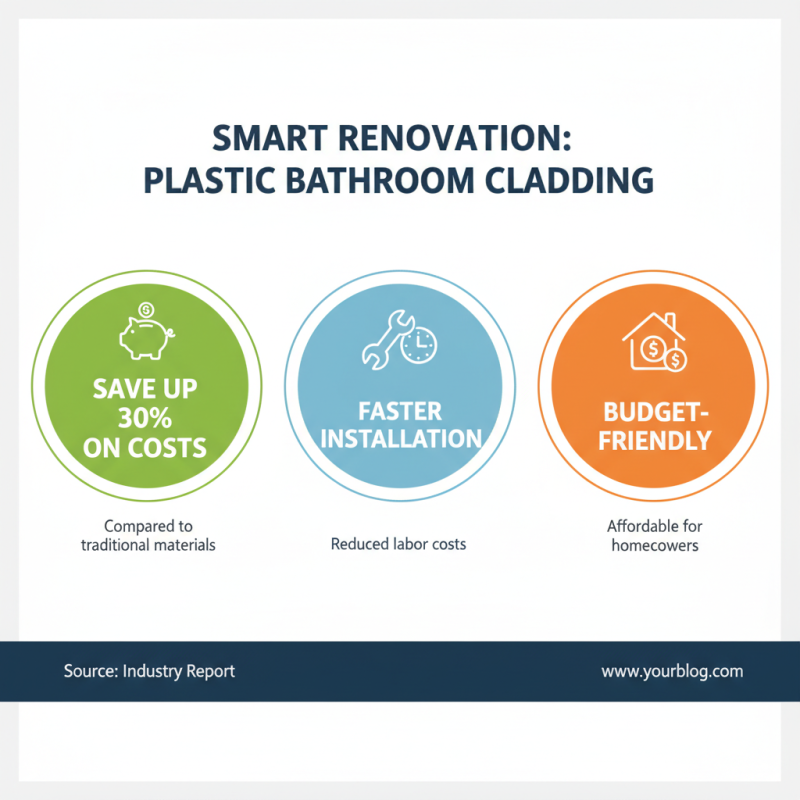
The cost-effectiveness of plastic bathroom cladding is evident in various renovation projects. According to a recent industry report, plastic cladding can reduce renovation costs by up to 30% compared to traditional materials. This affordability makes it an attractive option for homeowners on a budget. Installation is often quicker, reducing labor costs significantly.
Plastic cladding is also resilient and requires minimal maintenance, which can save money in the long term. Regular upkeep of wooden or tiled surfaces can be expensive. In contrast, plastic is less prone to mold and decay. However, it is crucial to consider quality variations. Cheaper options might not withstand moisture as well over time and could warp or discolor.
Investing in plastic cladding still demands careful selection and not all products perform equally. While initial costs may be lower, longevity matters. A well-chosen product can last significantly longer, ultimately proving more economical. Every homeowner should balance immediate savings with long-term functionality.
Environmental Impact of Using Plastic Bathroom Cladding
Plastic bathroom cladding has become popular due to its potential environmental benefits. It is lightweight and easy to install, which reduces the energy needed during renovation projects. Unlike traditional materials, plastic requires fewer resources to produce. This means that less energy is consumed overall. However, one must consider how plastic is often derived from fossil fuels, which can contribute to climate change.
Recycling programs for plastic vary widely. Some communities have effective systems in place, while others struggle. Used cladding can contribute to landfill waste if not properly disposed of. This raises questions about the long-term sustainability of plastic use in bathrooms. Also, the durability of plastic means it can last for years, but what happens at the end of its lifecycle? Ensuring responsible disposal or recycling is crucial to minimizing its ecological footprint.
Additionally, the aesthetic appeal of plastic bathroom cladding is often a trade-off. It can replicate the look of other materials, but it may seem less natural. Some people might find the finish less satisfying than wood or stone. Finding the right balance between versatility and environmental responsibility is essential. The choice of materials should reflect a commitment to sustainability, but it’s a complex decision.