10 Best Plastic Wall Cladding Options for Your Home?
Plastic wall cladding is gaining popularity in home design. According to a recent market report from Technavio, the global wall cladding market is projected to grow by over 9% annually through 2025. This surge in demand highlights the importance of selecting the right materials for aesthetic and functional purposes.
Industry expert, Dr. Emily Johnson, notes that “Plastic wall cladding offers versatility and durability, making it an ideal choice for modern homes.” Many homeowners are now considering cladding options to enhance insulation and reduce maintenance efforts. Still, not all plastic wall cladding products perform equally.
Consumers face challenges in discerning quality options. Some cladding materials may fade or crack over time. It's crucial to research and weigh the pros and cons. By carefully choosing the right cladding, you can elevate your living space while addressing sustainability concerns. The market provides a broad array of choices, but not every option meets high standards.
Overview of Plastic Wall Cladding and Its Benefits
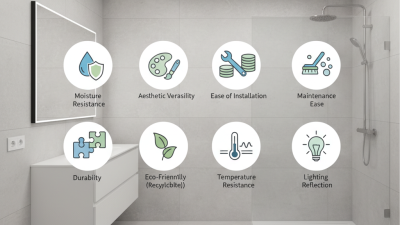
Plastic wall cladding has gained popularity in modern homes. This material offers a range of benefits that appeal to many homeowners. It's lightweight yet durable, making installation easier and more efficient. Many find it enhances the aesthetic appeal of a room without the high cost of traditional materials.
Maintenance is another significant factor. Unlike wood, plastic cladding resists rot and insect damage. A simple wipe down with a damp cloth can keep it looking fresh. However, some individuals feel that plastic may lack the warmth of natural materials. It can also fade over time if exposed to direct sunlight. Choosing the right thickness can mitigate some of these concerns.
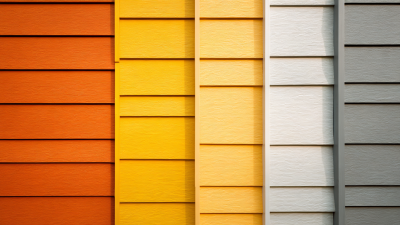
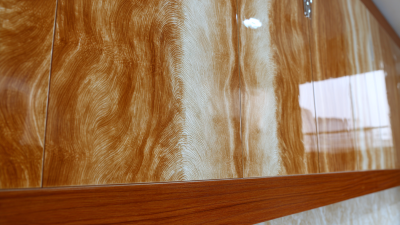
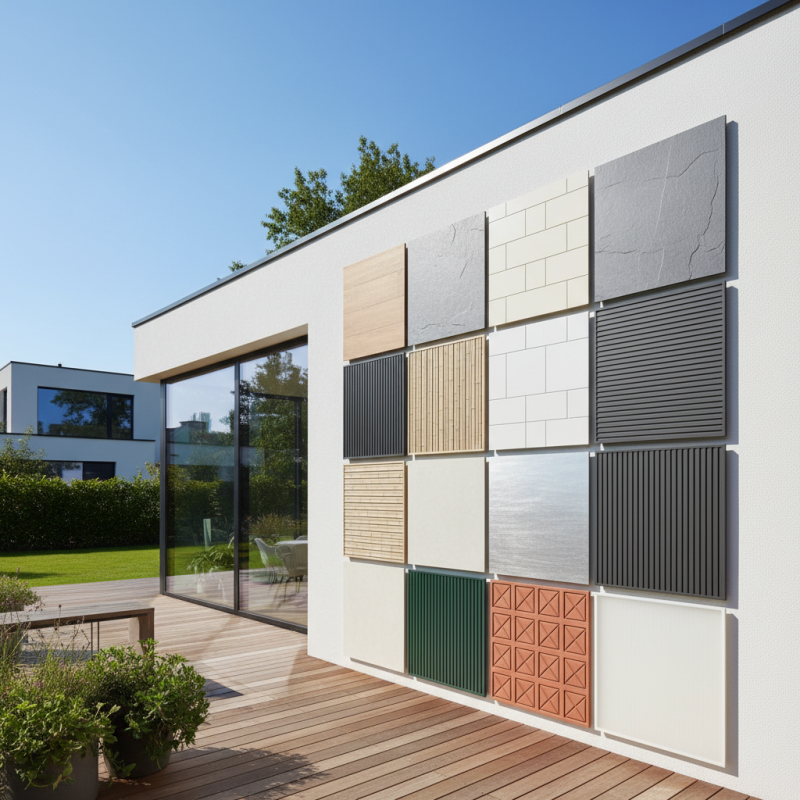
Plastic wall cladding is versatile. Available in various textures and colors, it allows for creative expression. Some designs mimic wood grain, while others boast sleek, modern finishes. Despite these options, not every plastic product is eco-friendly. It's essential to reflect on the environmental impact when making choices for your home.
10 Best Plastic Wall Cladding Options for Your Home
| Cladding Type |
Material |
Thickness (mm) |
Water Resistance |
Fire Rating |
Installation Ease |
Cost ($/sq. ft.) |
| PVC Paneling |
PVC |
6-10 |
Excellent |
Class B |
Easy |
$2-4 |
| Polypropylene Sheets |
Polypropylene |
3-8 |
Very Good |
Class B |
Moderate |
$1.50-3.50 |
| Acrylic Panels |
Acrylic |
5-12 |
Good |
Class A |
Easy |
$4-6 |
| WPC Cladding |
Wood Polymer Composite |
12-20 |
Excellent |
Class B |
Difficult |
$5-7 |
| Vinyl Siding |
Vinyl |
8-12 |
Good |
Class C |
Easy |
$2.5-5 |
| High-Pressure Laminate |
Laminate |
6-10 |
Very Good |
Class A |
Moderate |
$3-5 |
| Textured PVC |
PVC |
5-10 |
Good |
Class B |
Easy |
$2-4 |
| Foamed PVC |
Foamed PVC |
5-15 |
Excellent |
Class B |
Moderate |
$3-6 |
| Polycarbonate Sheets |
Polycarbonate |
6-10 |
High |
Class A |
Easy |
$4-7 |
Types of Plastic Wall Cladding Materials and Their Characteristics
When choosing plastic wall cladding, understanding the materials is vital. Each type has unique characteristics. PVC is popular for its durability. It resists moisture and is easy to clean. You can use it in kitchens or bathrooms without worry.
Polycarbonate offers another option. This material is lightweight and strong. It can withstand impacts better than most plastics. Polycarbonate also allows light to filter through, creating a bright atmosphere in your space. Consider it for sunrooms or indoor gardens.
Tips: Always check for UV resistance to prevent fading. Cost is a factor too. Some materials are more affordable but may not last as long. Take time to compare options. Reflect on your needs before deciding. Choose wisely to avoid future regrets.
Top 10 Plastic Wall Cladding Options for Various Home Styles
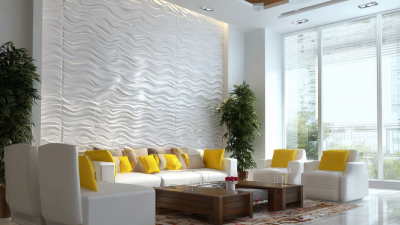
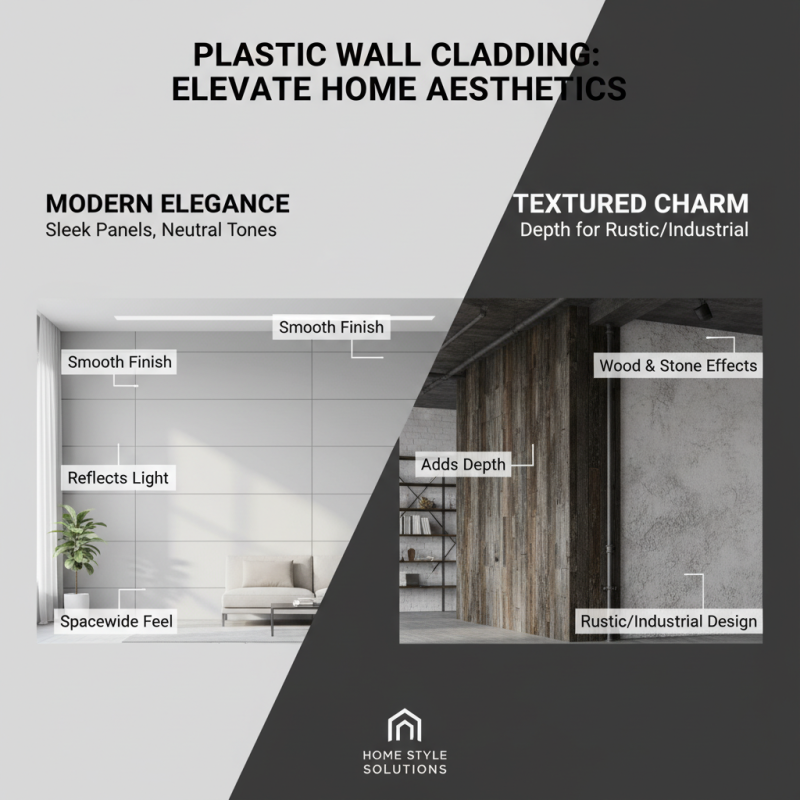
Plastic wall cladding can elevate your home’s aesthetic with varied options. For modern homes, sleek panels in neutral tones create an elegant backdrop. The smooth finish reflects light, making spaces feel larger. In contrast, textured cladding adds depth. It's perfect for rustic or industrial designs. You might find appealing wooden or stone effects created with plastic materials.
Consider your space when choosing cladding. Light colors brighten tight areas, while darker hues offer sophistication. Bold patterns can be striking but may overwhelm small rooms. Some homeowners choose vibrant colors for an artistic touch. However, these choices require careful thought to avoid clashes.
Durability is a practical concern. Some cladding options withstand moisture better than others. Ideal for bathrooms or kitchens, they prevent water damage. However, not all varieties are appropriate for outdoor use. Reflect on your area’s specific needs. Regular maintenance may be required even with durable options. Each choice carries its benefits and drawbacks, so weigh them carefully.
Maintenance and Care for Longevity of Plastic Wall Cladding
Maintaining plastic wall cladding is essential for its longevity. Clean your walls regularly to prevent buildup. Use a soft cloth or sponge with mild detergent. Harsh chemicals can damage the surface. It's important to rinse thoroughly to avoid residue.
Inspect for scratches or dents. These can happen over time, especially in high-traffic areas. Minor issues can be repaired with special fillers. However, larger damage may require a full panel replacement. Keeping an eye on these details can save time and money.
While plastic wall cladding is durable, it still requires care. Ensure proper sealing and caulking in joints. This prevents moisture buildup, which can lead to mold. Address any signs of wear promptly. Ignoring them may lead to bigger issues down the road. Regular maintenance can keep your cladding looking fresh and new.
10 Best Plastic Wall Cladding Options for Your Home
This chart illustrates the popularity and maintenance requirements of different plastic wall cladding options. Each option is evaluated based on its ease of maintenance and aesthetic appeal.