Top 10 Benefits of Wpc Wall Panel for Your Home Decor?
As home decor trends evolve, Wpc Wall Panels have emerged as a popular choice among homeowners and designers alike. According to a recent industry report by Market Research Future, the demand for Wpc Wall Panels in residential applications is expected to grow at a rate of 6.5% annually through 2027. This growth is driven by their versatility, aesthetic appeal, and durability. Expert John Anderson, a noted figure in the Wpc Wall Panel industry, states, “Wpc Wall Panels bring a unique blend of style and performance to any home environment.”
Wpc Wall Panels offer a range of benefits that can transform a living space. They are resistant to moisture and insects, making them ideal for various rooms. Homeowners appreciate their easy installation process, which often requires minimal tools and expertise. Additionally, these panels can mimic natural wood textures, adding warmth to modern decor. However, not every panel on the market aligns with high environmental standards, making it crucial to choose wisely.
The aesthetic flexibility of Wpc Wall Panels allows for customization, catering to individual styles. They can enhance the overall look of a room while also providing practical advantages. Yet, it’s worth noting that price points can vary significantly. This variance can sometimes reflect the quality of materials used. Therefore, careful consideration is necessary for homeowners looking to invest in this decor solution.
Key Advantages of Using WPC Wall Panels in Home Decor
WPC wall panels, a blend of wood fibers and thermoplastics, offer numerous advantages for home decor. They are lightweight yet durable, making installation easy even for DIY enthusiasts. A recent industry report highlighted that these panels can be up to 70% lighter than traditional wooden panels. This unique feature allows for seamless handling and can save on installation costs.
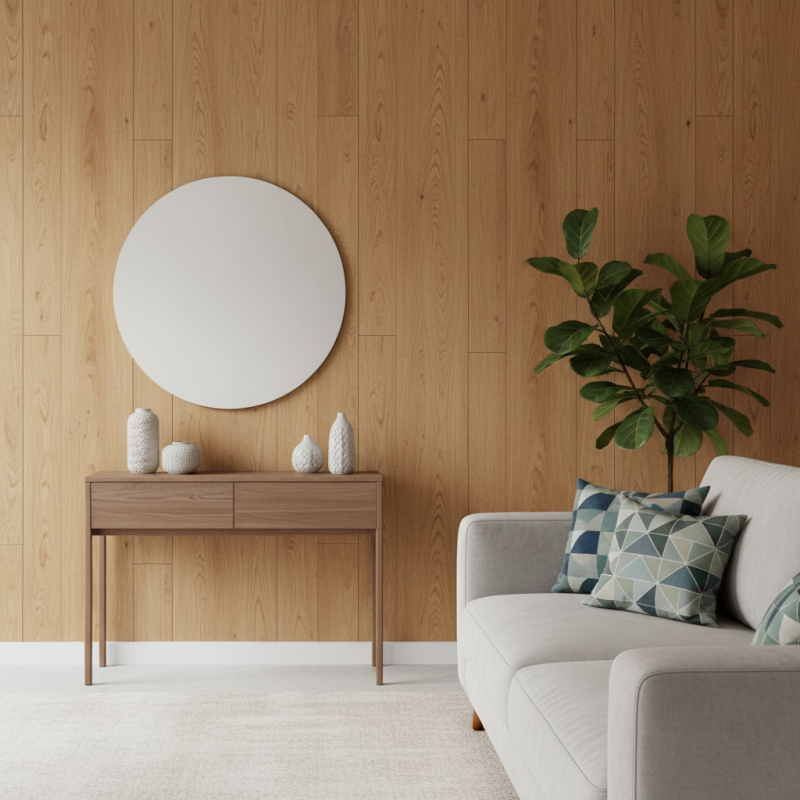
The aesthetic versatility of WPC wall panels makes them a popular choice. Available in various colors and finishes, they can mimic natural wood, stone, or modern designs. Their resistance to moisture is particularly appealing. This means less warping or rotting compared to standard wood. A survey indicated that many homeowners value durability, with 85% desiring materials that withstand humidity.
Sustainability is another crucial aspect. WPC panels often use recycled materials, appealing to eco-conscious consumers. However, some critics argue that not all WPC products maintain high-quality standards. This can affect performance in different environments. Homeowners should carefully evaluate options. The balance between aesthetics, practicality, and sustainability can be tricky, but the benefits are undeniable.
Top 10 Benefits of WPC Wall Panels for Your Home Decor
Durability and Longevity: Why WPC Panels Stand Out
WPC (Wood Plastic Composite) wall panels have gained popularity for home decor due to their
durability and longevity. Unlike traditional materials, WPC panels resist moisture, making them ideal for
humid areas like bathrooms and kitchens. They don’t warp or swell, ensuring they maintain their shape and appearance over time.
This longevity means fewer replacements, which can save money in the long run.
When choosing WPC panels, consider their finish. A matte finish might require fewer touch-ups than a glossy one,
which can show scratches more easily. Ensuring proper installation is crucial. Poorly installed panels can lead to gaps or peeling over time.
Regular maintenance, such as cleaning with mild soap, can extend their lifespan.
Here’s a quick tip: Always check for manufacturer guidelines on cleaning products. Some harsh chemicals can damage the surface.
Remember, even the most durable materials need care. Take time to inspect for any signs of wear and address them promptly. This small effort helps preserve the
aesthetic appeal of your space while ensuring the panels last longer.
Aesthetic Flexibility: Design Options for Every Style
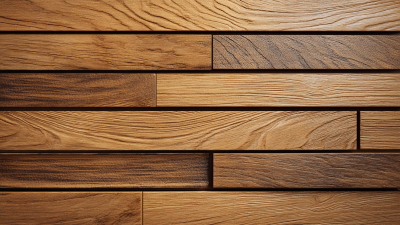
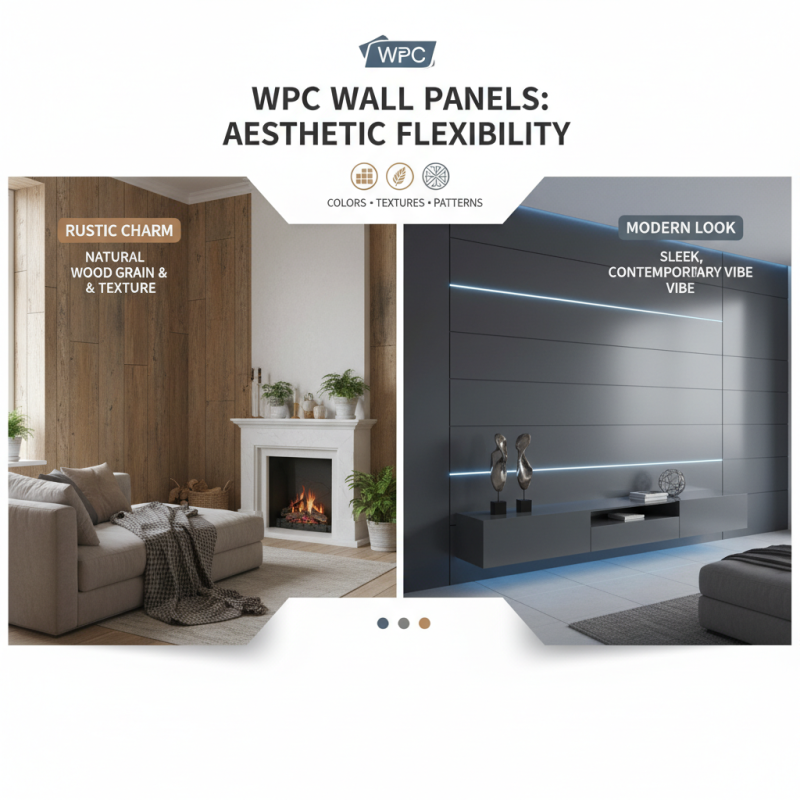
WPC wall panels offer remarkable aesthetic flexibility. Homeowners can choose from different colors, textures, and patterns. Whether you prefer a modern look or a rustic charm, there's a design that fits your style. Some panels mimic natural wood grain, giving a warm feel, while others can shine with a sleek, contemporary vibe.
Using WPC panels allows for unique combinations. Imagine pairing a bold, dark panel with lighter furnishings. This contrast can create beautiful focal points in any room. However, some may find it challenging to visualize how these panels work with their existing decor. It requires careful planning and a bit of creativity.
Choosing the right style is essential, but it can be overwhelming. You may feel torn between sleek modern designs and cozy, textured options. Each choice has its merits and drawbacks. It's important to reflect on the desired atmosphere you want to create. There’s no one-size-fits-all answer. Ultimately, the key is to find harmony in your decor while embracing your home's individuality.
Eco-Friendly Features of WPC Wall Panels Explained
WPC wall panels are gaining attention for their eco-friendly features. Made from wood plastic composite, these panels harness recycled materials. This reduces waste and lowers the demand for virgin resources. Their production process requires less energy compared to traditional materials. This fact alone makes them a more sustainable choice for home decor.
These panels also offer remarkable durability. They resist moisture, mold, and pests. This means fewer replacements, contributing to long-term sustainability. Additionally, WPC panels often come in a variety of styles and finishes. Homeowners can enjoy versatile designs without compromising on eco-friendliness. However, it's essential to ensure that the panels are sourced responsibly. Not all manufacturers prioritize sustainability. Hence, research is crucial before making a purchase.
Moreover, their low maintenance requirements stand out. Unlike wood, they do not need constant sealing or painting. A simple wash with soap and water is generally enough. While they have many advantages, individual experiences can vary. Some may find their texture less appealing than natural wood. Reflecting on your preferences is important when selecting materials for your home.
Easy Maintenance and Installation Benefits of WPC Panels
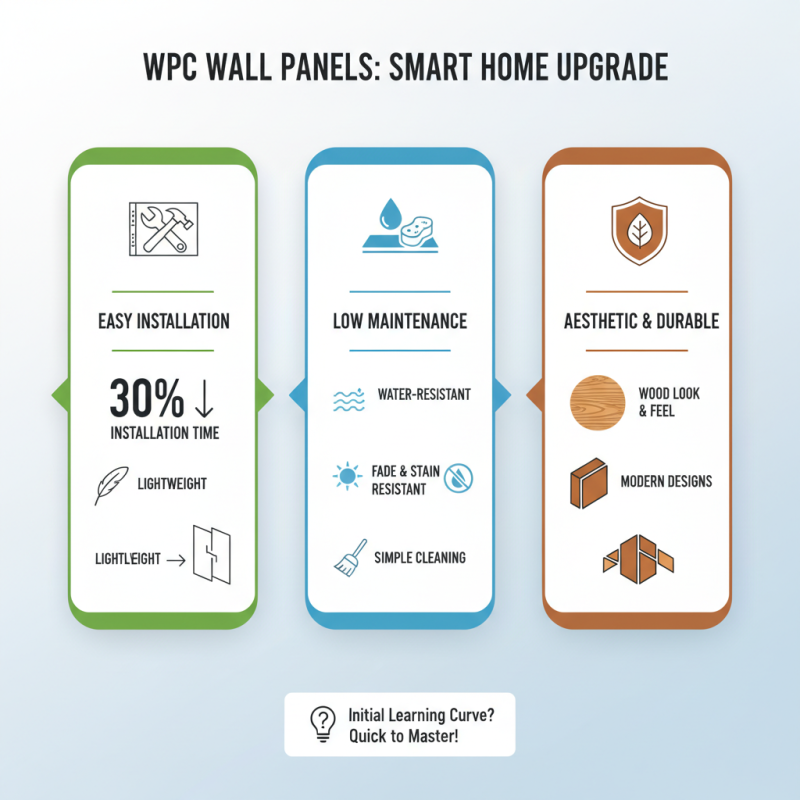
WPC (Wood Plastic Composite) wall panels offer an attractive solution for homeowners looking for easy maintenance and installation. Research indicates that WPC panels can reduce installation time by up to 30%. This means less disruption during home improvement projects. They are designed to be lightweight, which makes handling much simpler. However, some might find the initial learning curve tricky.
When it comes to maintenance, WPC panels require minimal effort. Unlike traditional wood panels, they are resistant to moisture, mold, and pests. A recent industry report highlighted that homes using WPC panels report a 25% decrease in maintenance costs compared to wood. This could translate into significant savings. Yet, it’s vital to ensure proper cleaning techniques to maintain their appearance over time.
Installation can often be done with basic tools. Some homeowners may struggle with aligning panels perfectly, leading to gaps. It’s essential to measure accurately before cutting. Despite their flaws, the overall aesthetic appeal of WPC panels makes them worth the effort. Their versatility can enhance any room, from living areas to bathrooms.